
Your own personalised stalker
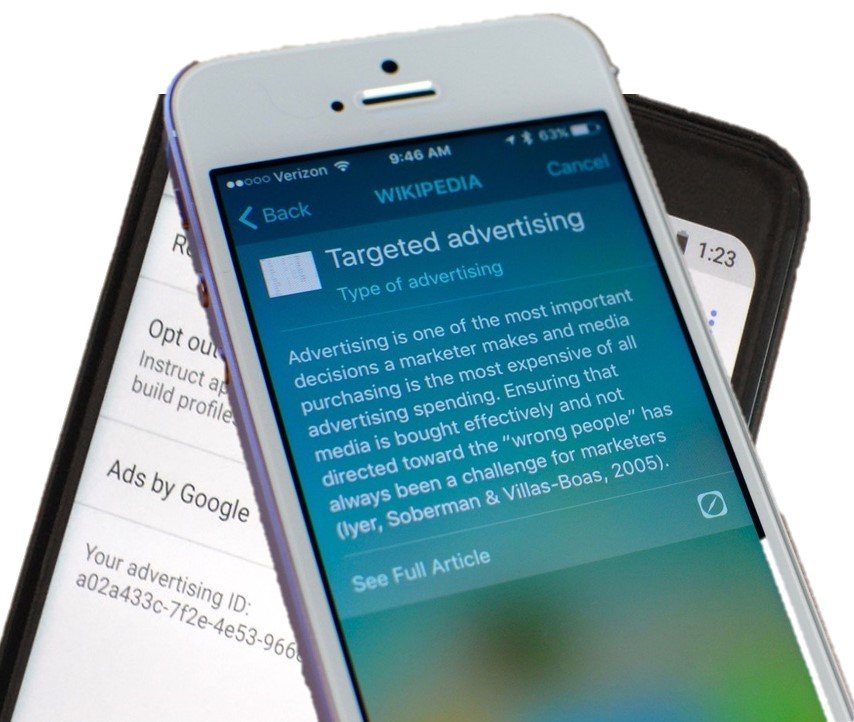
It always seemed slightly creepy that your computer shows advertising that is strangely accurately targeted at things you might have been interested in. On the surface, that seems quite useful. If you have to tolerate ads on your screen, at least having them show things you were interested in seems helpful.
Instead, we wonder how the system knows. It feels like a breach of our privacy.
It all starts when you install an app, and it pops up a question asking for permission to use your location, and/or your camera and/or your microphone.
This is useful for advertisers. For example, they can use your location. If the app reports this back to the content provider, they can match up your location and compare you to other people nearby. If you tend to go to the same places as other people, you are probably interested in the same things, so an advertiser might use that assumption to present advertising to you, or other people that you spend time with.
That does sound a bit overreaching, but we reluctantly agree to the presented terms simply because we want to use the app. If that is a condition of use, and we want to use the app, then we agree.
So, now we are seeing consumers getting the choice to push back.
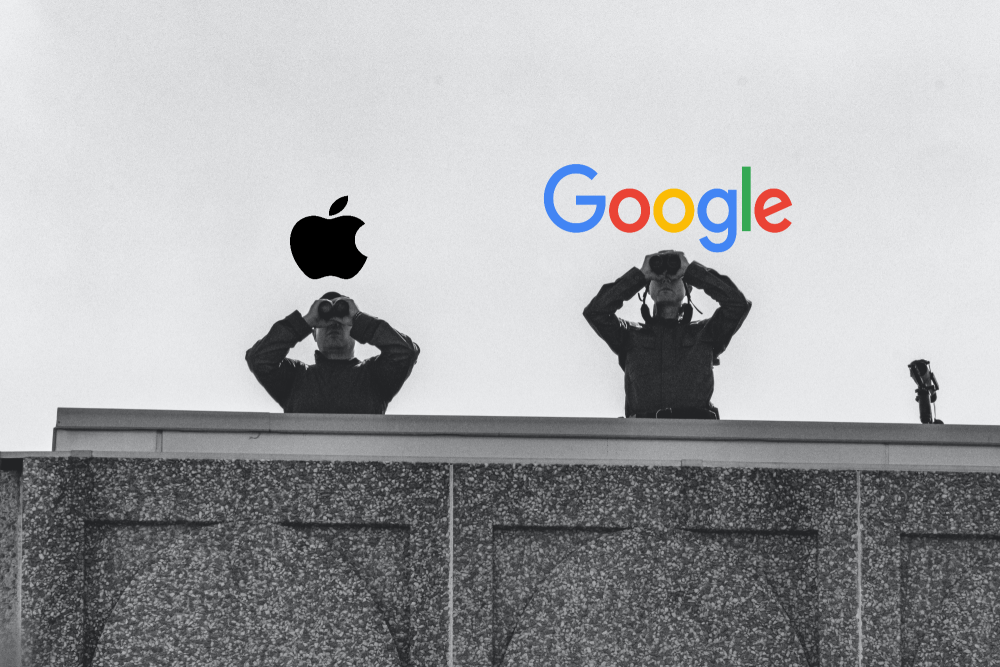
Apple
Now, with iOS15, Apple are saying that you will get to see what apps are accessing your data. You will be able to see when an app used that permission, and there it was sent to. Whether that list of third party sites is any use or not is meaningful is unclear.
Not quite as advanced but following quickly behind is Google Android. With Android 12, you will have the option to de-personalise your data. They will still track usage, but won’t link it back to you.
Is there any truth to the rumour that your phone or TV is listening to you, and presented content based on private conversations it overhears?
Given how poor the voice recognition is on phones , cars, or tools like Alexa or Siri, its pretty evident this can’t be reality. If it, is, then heaven only knows what it thinks it’s hearing. The voice recognition tools are getting better all the time, but there is a long way to go.
Hello world!
Welcome to WordPress. This is your first post. Edit or delete it, then start writing!
Beyond Endpoint Protection – What is ITDR?
Your Microsoft 365 environment is where your business happens. It's also where attackers want to be. Most New Zealand businesses have invested in endpoint protection such as antivirus, EDR, or even MDR, but are they leaving a critical attack surface completely...
The Rise of The Machines
What OpenClaw and Moltbook Mean for Your Business If you've been following tech news lately, you've probably encountered OpenClaw. It's a viral AI agent that's sparking both excitement and anxiety across the business world. Originally called Clawdbot, then briefly...
AI Slop: The Rise, the Risk, and How to Stay Ahead
The Quiet Emergence of AI Slop As generative AI becomes part of everyday business workflows, a new challenge has begun to surface: AI slop. This refers to the growing volume of AI‑generated content that looks polished but adds little true value. It is the email that...
Manage My Health Data Breach – What We’ve Heard
What New Zealand Businesses Need to Learn from 126,000 Compromised Patient Records New Zealand's largest patient information portal confirmed a major cyber security breach on New Year's Eve, with up to 126,000 users potentially affected. The Manage My Health incident...
AI’s December Acceleration
6 Developments That Changed the Game (While You Were Planning for Christmas) December 2025 wasn't just about end-of-year planning. While New Zealand businesses were wrapping up 2025, AI platforms shipped features that fundamentally change how work gets done in...
Five Business IT Trends New Zealand Companies Should Watch in 2026
As we move into 2026, New Zealand businesses face a technology landscape where digital transformation is no longer optional.For NZ business managers preparing budgets and strategic plans for the year ahead, understanding the key IT trends will be critical to...
URGENT ADVISORY: We’re seeing a significant increase in authentication attacks this Christmas
Significant Hacking Trend Over this 2025/26 Christmas and New Year period, our Kinetics KARE security monitoring has detected a significant increase in sophisticated authentication attacks targeting New Zealand businesses. KARE Foundation clients are protected and...
Stop Wasting Time: Why Copilot’s New Memory Feature Is a Game-Changer
Microsoft Copilot Gets Smarter: Memory Management and Cross-Platform Integration Microsoft is rolling out significant updates to Copilot that fundamentally change how the AI assistant works with you and your data. Two key features are now becoming available: Memory...
Your Customers Need to Trust Your Emails: Here’s How DMARC 2.0 Helps
Yet another IT acronym: "DMARC" DMARC stands for Domain-based Message Authentication, Reporting, and Conformance. It's an email authentication protocol that helps protect your domain from being used in email spoofing, phishing attacks, and other cyber...