
Your own personalised stalker
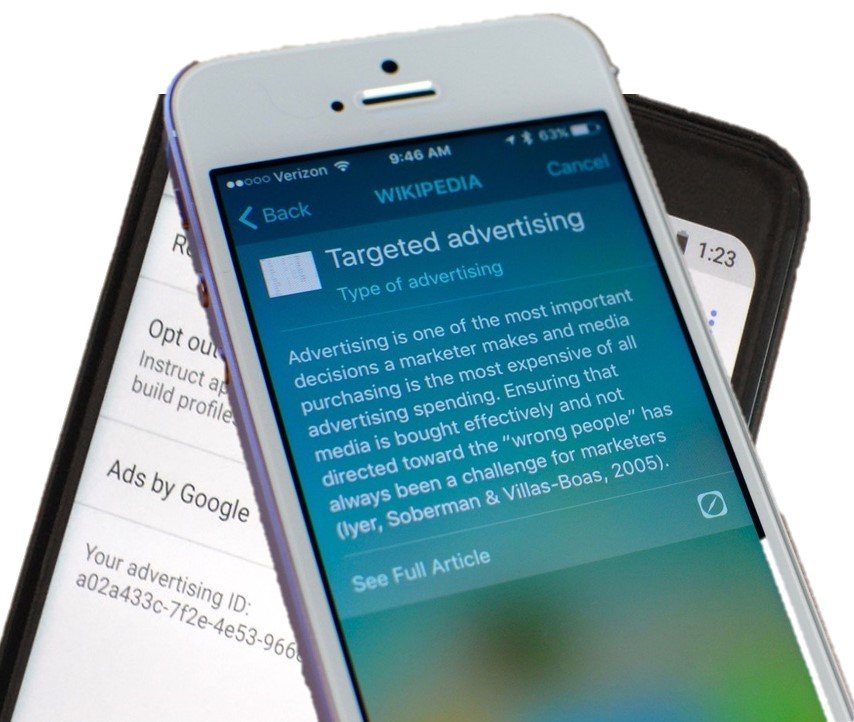
It always seemed slightly creepy that your computer shows advertising that is strangely accurately targeted at things you might have been interested in. On the surface, that seems quite useful. If you have to tolerate ads on your screen, at least having them show things you were interested in seems helpful.
Instead, we wonder how the system knows. It feels like a breach of our privacy.
It all starts when you install an app, and it pops up a question asking for permission to use your location, and/or your camera and/or your microphone.
This is useful for advertisers. For example, they can use your location. If the app reports this back to the content provider, they can match up your location and compare you to other people nearby. If you tend to go to the same places as other people, you are probably interested in the same things, so an advertiser might use that assumption to present advertising to you, or other people that you spend time with.
That does sound a bit overreaching, but we reluctantly agree to the presented terms simply because we want to use the app. If that is a condition of use, and we want to use the app, then we agree.
So, now we are seeing consumers getting the choice to push back.
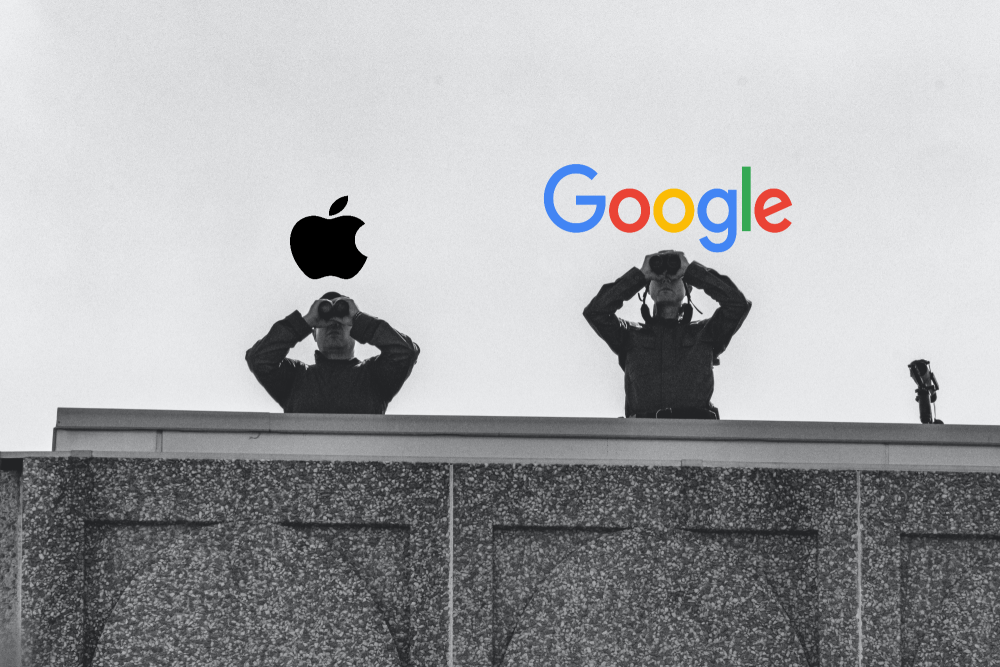
Apple
Now, with iOS15, Apple are saying that you will get to see what apps are accessing your data. You will be able to see when an app used that permission, and there it was sent to. Whether that list of third party sites is any use or not is meaningful is unclear.
Not quite as advanced but following quickly behind is Google Android. With Android 12, you will have the option to de-personalise your data. They will still track usage, but won’t link it back to you.
Is there any truth to the rumour that your phone or TV is listening to you, and presented content based on private conversations it overhears?
Given how poor the voice recognition is on phones , cars, or tools like Alexa or Siri, its pretty evident this can’t be reality. If it, is, then heaven only knows what it thinks it’s hearing. The voice recognition tools are getting better all the time, but there is a long way to go.
When “Legitimate” Tools Are Used Illegitimately (like booking a meeting time)
Cyber awareness isn’t just about blocking malware — it’s about recognising intent. Recently, we received a callout from a client after a user received what initially appeared to be a genuine business opportunity. The email exchange seemed credible, replies were...
Microsoft Copilot Is Moving From Chatting to Doing
If you’ve been following Microsoft Copilot for a while, you’ll have noticed something important happening. Copilot is no longer just about answering questions or drafting documents. Copilot is getting ready to do real work on your behalf. Two names you’ll hear...
The AI Agent Revolution: What OpenClaw and Paperclip Mean for Your Business
Two open-source AI tools are generating serious buzz in technology circles right now: OpenClaw and Paperclip. You may have seen the names appearing in your LinkedIn feed, or heard them mentioned at a recent industry event. If you're a business owner wondering whether...
Can you really run a business with only virtual staff?
Short answer: yes — in some cases. Longer answer: it depends on what kind of business you’re running, and what “staff” actually means in 2026. We’re seeing a growing wave of businesses experimenting with fully virtual teams — not just remote people, but AI agents...
Could you get into trouble with the law if you lose a USB stick?
A lost USB stick can be a notifiable privacy breach. Here’s why that matters It sounds old school, but USB sticks are still floating around plenty of NZ businesses. A recent draft decision note from the Office of the Privacy Commissioner is a timely reminder...
Copilot Upgrade: Is “Claude” coming to Copilot?
Copilot Upgrade: Welcoming the Sonnet Engine (Claude's engine)A Smarter, Faster Copilot Experience Microsoft has started to roll out the new Sonnet engine across Copilot! This will bring a noticeable improvement in speed, accuracy, and the quality of responses. For...
Additional M365 Security Protection Rolled Out for our KARE Foundation Customers
Turning up your cyber-security Kinetics is busy rolling out an additional security protection for Kinetics KARE Foundation customers only, designed to stop a highly active and sophisticated phishing campaign currently targeting Microsoft 365 environments worldwide. ...
Webinar Replay: What Recent Cyber-Breaches Teach Us About Protecting Your Business
Every cyber-breach tells a story, and the best way to protect your business is learning from others' experiences before they become your own. This isn't about fear—it's about learning. We'll translate real-world breach experiences into practical insights you can apply...
Microsoft Copilot in 2026: Why So Many Businesses Are Taking a Second Look
Think Copilot Was a Let‑Down? It’s Quietly Got Much Better in 2026 If you tried Microsoft Copilot early on and walked away a little underwhelmed, you’re not alone. We heard it a lot last year: “It’s interesting, but it’s not quite there yet.” The thing is that Copilot...
Your (Home/Small Business) Router Could Be Working for Criminals Right Now
Right now, somewhere in the world, a home or office router is quietly routing cybercriminal traffic, and its owner is completely unaware. That's the reality revealed by the discovery of KadNap, a sophisticated malware campaign that has become one of the most...